You step out of a museum or a famous old building, hungry after hours on your feet, and the first restaurants you see are right there waiting for you. The menus look tempting, the tables look inviting, and the prices make you pause. You did not come here to spend your whole day’s budget on one lunch, but you also do not want to wander the streets for an hour looking for something better. There is a middle path, and it is simpler than most travellers expect: a short walk, a little observation, and a few habits that help you eat well for less, even in the busiest parts of a city.
Why Meals Cost More Right Next to Famous Sights
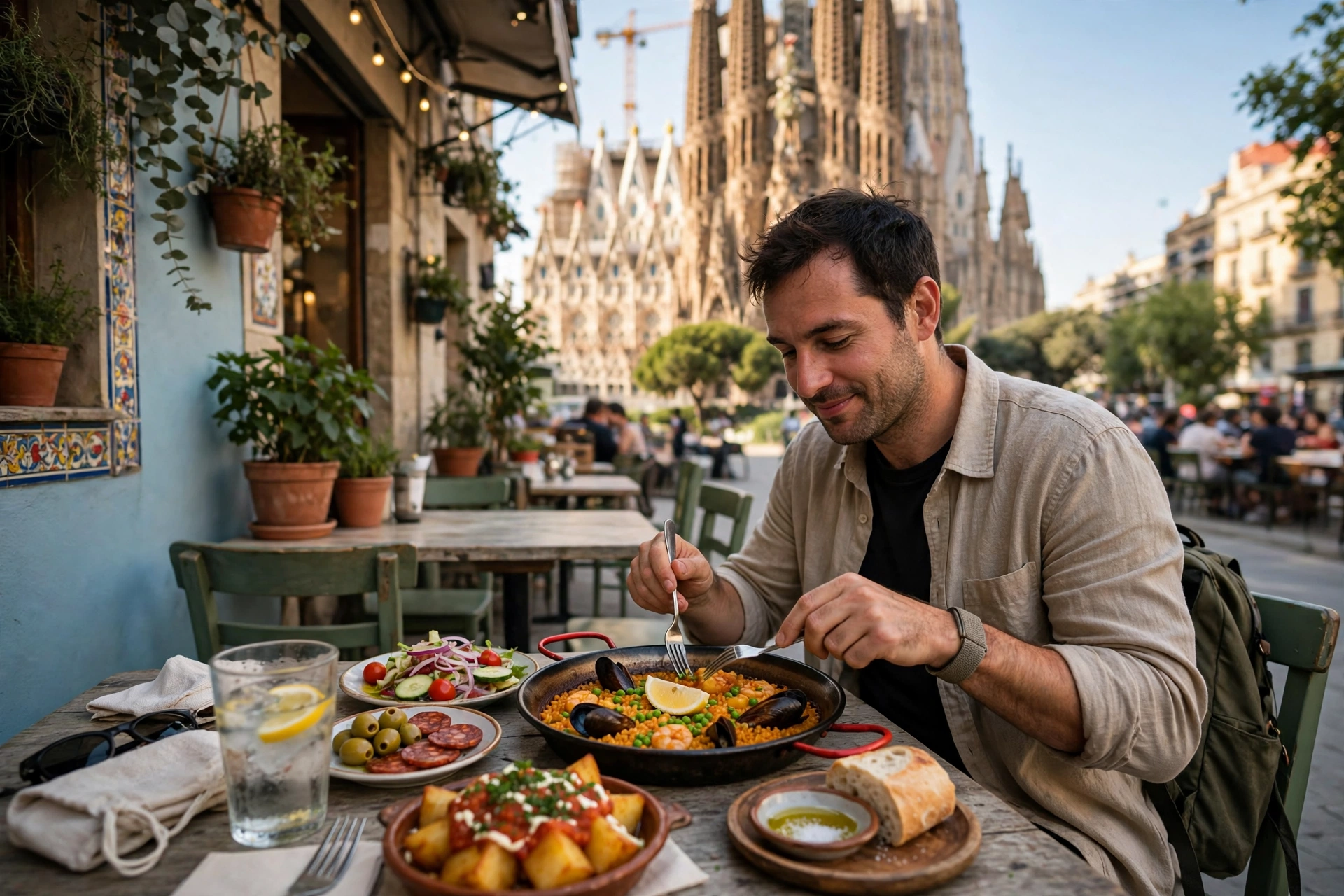
Restaurants in prime spots pay high rents, and they know that many of their customers are passing through once and may never return. That combination often leads to higher prices, smaller portions, and menus designed to catch the eye rather than reward a repeat visit. It does not mean every restaurant near an attraction is bad — some are excellent — but it does mean the first place you see is rarely the best value. Once you understand that, you can stop feeling pressured to eat at the nearest table and start making a calmer choice.
Start With a Short Walk, Not a Long Search
One of the most reliable tricks is also the simplest: walk a few streets away from the attraction before you choose where to eat. You do not need to go far. Often, just turning off the main square or leaving the street directly facing the entrance is enough for prices to drop and menus to look more like the ones local people use every day. Walk for about ten minutes, notice which places are busy with residents rather than tour groups, and let that guide you.
While you walk, watch for the small signs of a tourist trap: a large board with photographs of every dish, staff calling out to passers-by, and a menu with no prices or with prices only in a foreign currency. None of these alone proves a place is bad, but together they are a useful warning. If a menu feels pushy or unclear, keep walking. Learning how to avoid tourist scams in a new city helps here too, because overpriced meals and pressure tactics often appear in the same busy areas.
Eat Where the Locals Eat
Local workers need lunch every day, so the places they choose tend to offer fair prices and consistent quality. Look for small restaurants that are full at normal lunch or dinner times, menus written mainly in the local language (even if an English version is available), and simple interiors that spend their money on food rather than decoration. A queue of local people is usually a better recommendation than a long list of reviews written only by visitors. If you are unsure what to order, ask what is popular today or what the staff themselves eat. A short, seasonal menu is often a good sign: a kitchen that does a few dishes well will usually serve you better than one that claims to cook everything.
Read the Menu Before You Sit Down
Before you take a seat, check the full menu, including drinks, bread, and service charges. In some cities, items that look free — bread on the table, a small starter, or bottled water — are charged once you accept them. If anything is unclear, ask politely before ordering: “Is this included?” or “What does this cost?” takes a few seconds and can save an awkward surprise later. Compare two or three menus on the same street before deciding. You will quickly get a sense of the normal price for a main dish in that area, and anything far above it should need a clear reason, such as a special setting or a dish you cannot find elsewhere.
Markets, Bakeries, and Small Plates
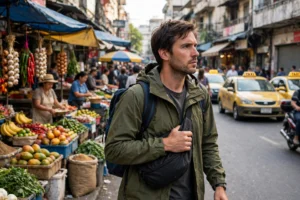
Some of the best cheap eats near tourist attractions are not sit-down restaurants at all. Covered markets, food halls, bakeries, and street stalls let you taste local food without paying for table service. A fresh sandwich, a pastry, a bowl of soup, or a plate of small shared dishes can be filling, affordable, and often more memorable than a hurried restaurant meal. Carry a reusable water bottle where tap water is safe to drink, and keep a small snack in your bag for the gap between sightseeing and lunch, so hunger does not force a rushed, expensive choice.
Use Lunch to Your Advantage
In many cities, lunch is cheaper than dinner for very similar food. A set lunch menu, a daily special, or a fixed-price menu can offer a starter, a main dish, and sometimes a drink for much less than ordering the same dishes separately in the evening. If you plan your main meal for lunchtime, you can enjoy a lighter, cheaper evening meal later, perhaps from a market or a bakery. This also fits sightseeing well: eat your main meal when you need the energy, then keep the evening relaxed. If a restaurant advertises a lunch deal, check what is included and whether you can choose freely from the menu or only from a limited list.
A Simple Plan for a Sightseeing Day
A practical plan removes most of the stress. Before you leave your hotel, eat a proper breakfast so you are not starving by mid-morning. Decide roughly where you will eat lunch — a neighbourhood a short walk from the main sights, rather than a specific restaurant — and keep one backup option in mind in case the first place is closed or full. Carry a snack and water, set a rough food budget for the day, and agree with your travel companions on how much you are happy to spend on one meal. When you arrive at an attraction, enjoy it first. Then walk a few streets away, compare menus, and choose calmly. That small pause usually leads to better food at a better price.
A Note on Food Safety
Cheap should never mean careless. Choose stalls and restaurants that look clean, where food is cooked fresh in front of you or kept properly hot, and where turnover is high — food that sits out for a long time is best avoided. Wash your hands before eating where you can, and be cautious with raw or undercooked food and with ice in places where you have been advised to avoid tap water. If you have allergies or dietary needs, learn a few key phrases in the local language, or save them on your phone, so you can explain them clearly. If you are ever unsure, a plain, freshly cooked dish from a busy place is usually the safest choice.
FAQ
Is street food safe near tourist attractions? It can be, when you choose busy stalls that cook food fresh and keep their area clean. Avoid food that has been sitting out, and trust your judgement: if a stall looks unclean or the food looks old, walk away.
How far should I walk to find cheaper food? You rarely need to go far. A walk of a few streets, or about ten minutes away from the main entrance or square, is often enough for prices to become more local. Keep the walk comfortable for everyone in your group.
Should I book restaurants in advance? For popular, well-known restaurants, booking can help, especially for dinner. For everyday cheap eats, you usually do not need to book — just arrive at normal meal times and be ready with a backup option if a place is full.
Final Thoughts
Finding cheap eats near tourist attractions is less about hunting for bargains and more about stepping slightly outside the busiest bubble. Walk a few streets away, eat where local people eat, read the menu before you sit down, and let lunch do the heavy work for your budget. Do that, and you will eat well, spend less, and still have energy — and money — left for the rest of your trip.