The human brain processes visual information 60,000 times faster than text, a fact that sheds light on why visual languages like American Sign Language (ASL) are more than just communication tools – they are cognitive superhighways. The American Sign Language society is not simply an organization; it is a living ecosystem where culture, advocacy, and education converge to empower the Deaf and hard-of-hearing community while educating hearing individuals.
The ASL society’s mission is rooted in inclusion. By providing a structured environment for learning and practicing ASL, the society fosters both linguistic fluency and cultural competence. The society also champions accessibility, lobbying for policies that ensure Deaf individuals have equal opportunities in education, employment, and public spaces. As someone who dives into DIY projects to truly understand them, I learned that observing the society in action – attending workshops, shadowing ASL instructors, and volunteering – reveals the intricate web of relationships, mentorship, and advocacy that sustains it. You can explore more detailed insights at Morning Journal.
1. Understanding the Core of ASL
At its essence, ASL is a complete, natural language with its own grammar, syntax, and cultural references. Unlike spoken English, ASL relies on handshapes, facial expressions, and body movements to convey meaning. The society emphasizes that learning ASL goes beyond memorizing signs; it is about understanding context, emotion, and community norms.
The society often uses immersive methods to teach ASL, such as visual storytelling, interactive workshops, and conversational meetups. This hands-on approach ensures learners are not just reciting signs but actively interpreting and responding to real-life scenarios. For instance, a beginner might learn the sign for “friend,” but the society encourages practice in role-playing exercises where participants must communicate feelings or social cues nonverbally.
2. Community Engagement and Cultural Exchange
The American Sign Language society thrives on community. Members often organize social events, cultural festivals, and advocacy campaigns that celebrate Deaf culture. These activities provide networking opportunities and strengthen bonds among members, reinforcing the idea that ASL is not just a skill but a gateway to understanding a vibrant culture.
Moreover, the society serves as a bridge between Deaf and hearing communities. By promoting ASL literacy and awareness, it helps break down barriers and challenges misconceptions about Deafness. Workshops often include historical insights into Deaf culture, legal rights, and the social significance of ASL, providing context that purely linguistic study would miss.
3. Education Programs and Skill Development
Education is at the heart of the society’s mission. Programs range from beginner courses to advanced interpreter training. These courses are structured to teach vocabulary, grammar, conversational skills, and the nuances of regional sign variations. The society also offers mentorship programs where experienced ASL users guide newcomers, ensuring skill acquisition is both accurate and culturally sensitive.
Interestingly, research shows that bilingualism in ASL and English enhances cognitive flexibility and memory. The society leverages this by integrating practical exercises, such as translating between ASL and English in real-time, which sharpens both comprehension and expressive abilities. This method is brutally honest in its efficiency: if you don’t practice consistently, you won’t retain fluency.
4. Advocacy and Policy Influence
The American Sign Language society is not just educational – it is politically active. The organization engages with lawmakers to influence policies affecting the Deaf and hard-of-hearing population. From advocating for closed captioning in public media to promoting workplace accessibility, the society’s role extends far beyond classrooms and social meetups.
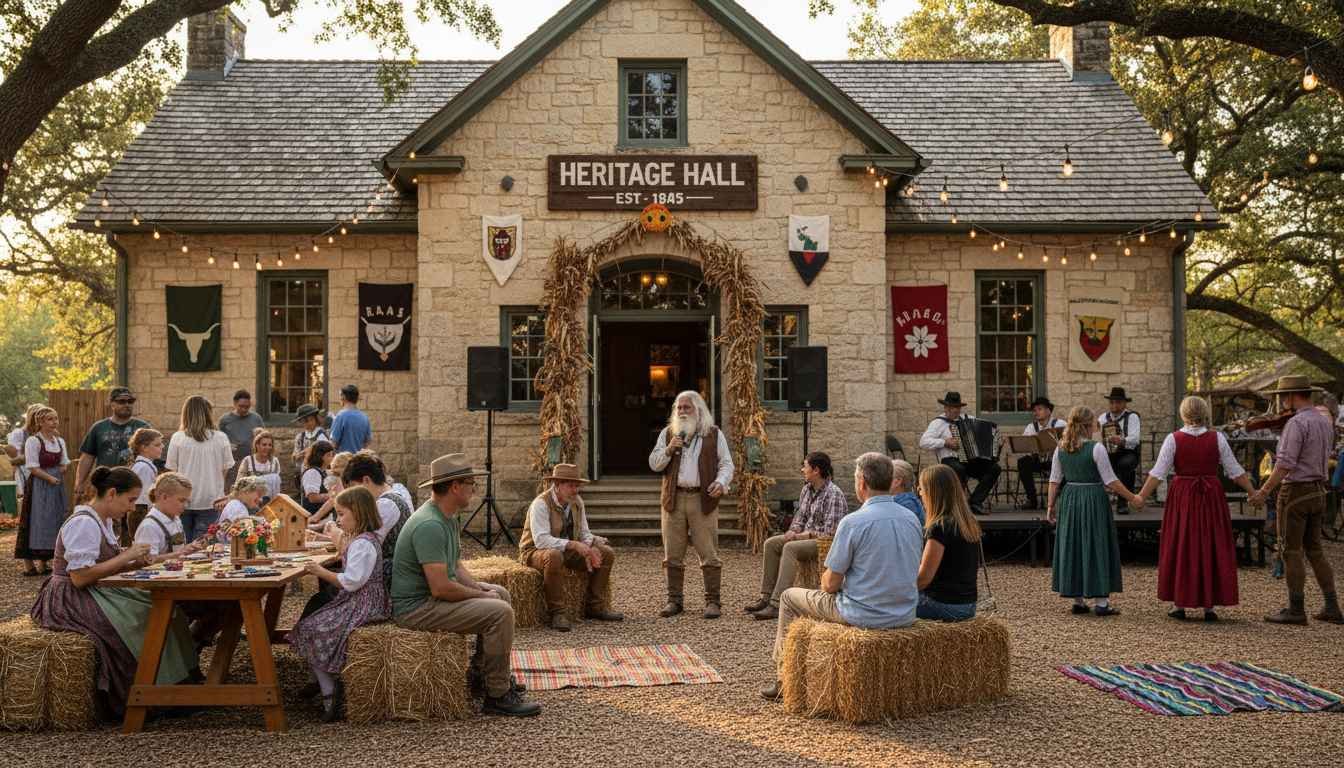
As the rich cultural tapestry of New Braunfels continues to attract visitors and residents alike, understanding the significance of local heritage becomes increasingly important. The Heritage Society of New Braunfels plays a crucial role in preserving the history and traditions that define this vibrant community. By engaging with the society, you can immerse yourself in the stories and experiences that shape the area. To help you navigate the myriad of events, resources, and opportunities available, we’ve created a comprehensive guide titled heritage society of new braunfels: Your Step-by-Step Survival Guide. This article will equip you with everything you need to know to make the most of your journey through New Braunfels’ rich heritage.
In a world where verbal communication often dominates, the rich and expressive language of American Sign Language (ASL) remains a powerful tool for connection among the deaf and hard-of-hearing communities. Understanding ASL not only fosters inclusivity but also opens up a new realm of cultural appreciation. The american sign language society plays a crucial role in promoting the use of ASL and empowering individuals to embrace this unique form of expression. By exploring the intricacies of ASL, we can unlock a silent world of communication that transcends spoken language and enriches our interactions with others.
Behind the scenes, the society conducts surveys, collects data on community needs, and collaborates with research institutions. These insights inform lobbying efforts and ensure that advocacy is evidence-based rather than anecdotal. My DIY approach of shadowing advocacy campaigns revealed that meticulous planning and community input are critical to successful policy influence.
5. Networking and Professional Opportunities
For many members, the society is a career springboard. It connects interpreters, educators, and advocates with job opportunities in healthcare, education, government, and media. Networking events often include resume workshops, mock interviews, and professional panels, equipping members with tools to navigate both ASL-specific and mainstream career paths.
This professional aspect is often underappreciated. Observing these networks, I realized that proficiency in ASL coupled with cultural literacy can open doors to roles that would otherwise remain inaccessible. The society’s structured mentorship programs ensure that newcomers receive guidance from seasoned professionals, dramatically increasing their employability.
6. Research and Innovation
Innovation within the ASL society is subtle but significant. The organization supports research on sign language linguistics, cognitive processing, and technology applications like AI-driven sign recognition. This research informs teaching methodologies, ensures the preservation of sign language diversity, and fosters tools that enhance communication for both Deaf and hearing users.
From a hands-on perspective, attending research workshops revealed that innovation is often iterative. Test groups provide feedback on teaching apps or translation tools, which are then refined multiple times. This brutally honest cycle of trial and error highlights that progress in ASL education and accessibility is not instantaneous – it is the result of persistent experimentation and community collaboration.
7. Who Should Avoid This? Potential Drawbacks
While the American Sign Language society offers immense benefits, it is not for everyone. Individuals unwilling to engage in immersive, time-intensive learning may find progress frustrating. Casual learners who treat ASL as a hobby rather than a skill may struggle with retention, as ASL requires consistent practice to maintain fluency.
Additionally, those seeking purely theoretical knowledge without community interaction may feel disconnected. The society thrives on active participation, and isolation can lead to misunderstandings or superficial comprehension. Finally, while advocacy and professional networking are strengths, individuals uninterested in community engagement may find the society’s activism overwhelming.
8. Conclusion: The Brutal Truth
The American Sign Language society is more than an educational organization; it is a living, breathing network that bridges culture, communication, and advocacy. Learning ASL within this society is an immersive, sometimes challenging experience, but the payoff is immense: cognitive growth, cultural insight, community connections, and professional opportunities. There are no shortcuts. If you approach it half-heartedly, you will plateau quickly. If you commit fully, the society transforms not just your communication skills but your perspective on language, inclusion, and human connection.
Behind the scenes, the society’s operations are a mix of meticulous planning, community-driven initiatives, and relentless advocacy. Attending meetings, volunteering at events, and engaging in research gave me firsthand insight into how deeply the society invests in both people and principles. The lesson is clear: in the world of ASL, effort translates directly to impact.