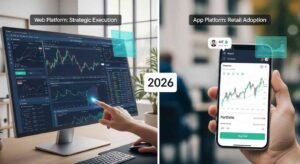
The retail sector in Atlanta, United States, is currently navigating an economic paradox: while traditional retail experiences continue to falter, digital marketing has emerged as a powerful force, driving unprecedented growth. The rapid shift towards online shopping, combined with enhanced customer expectations, has reshaped how brands approach marketing. This article delves into the intricacies of how digital marketing is both a response to and an accelerator of this change, with a particular focus on the economic ripple effects across retail businesses in the region.
The Rising Tide of Digital Marketing: Shifting Retail Paradigms
As consumer behaviors evolve, so too must retail strategies. In Atlanta, the pressure to adapt to digital trends has led to significant disruptions in traditional retail operations. Retailers that once relied on in-store experiences to drive sales are now grappling with an entirely different landscape, one where digital touchpoints have taken center stage.
This shift has created a friction point within the market. For many established brands, the transition from physical storefronts to digital marketing channels has been slow and cumbersome. The lack of integrated, agile strategies has left many players struggling to keep pace with more digitally savvy competitors.
Strategic Resolution Protocol
To address this market friction, retailers must align their digital marketing initiatives with a comprehensive growth strategy. This includes embracing data-driven insights, leveraging AI for personalization, and refining omni-channel strategies to seamlessly integrate physical and digital experiences. Retailers must shift from viewing digital marketing as a supplementary tactic to treating it as a core component of their business model.
Future Economic Implications
Looking forward, the economic landscape of Atlanta’s retail sector will be deeply influenced by digital transformation. Retailers that invest in digital marketing infrastructure now will see long-term benefits, including increased market share, improved customer loyalty, and higher margins due to more efficient targeting. The rise of AI-driven platforms and customer data analytics will enable brands to craft hyper-targeted campaigns that resonate more deeply with consumers, further fueling this growth.
Market Friction and the Problem of Outdated Strategies
In Atlanta’s retail ecosystem, many companies are still clinging to outdated marketing strategies that rely on traditional methods like print media and TV ads. While these tactics can still have their place, they are no longer enough in a landscape dominated by digital-first consumers.
Traditional marketing efforts have failed to connect with the increasingly tech-savvy consumer base, leaving a gap in engagement. The result is wasted ad spend and missed opportunities for meaningful interactions with potential customers. This has become a bottleneck in the system, hindering the ability of retailers to fully capitalize on the potential of digital marketing.
Strategic Resolution Protocol
To overcome this issue, businesses must adopt a digital-first mindset. This involves creating more engaging online experiences, optimizing their websites for mobile, and incorporating social media marketing strategies that connect directly with consumers where they spend most of their time. By doing so, retailers can improve their engagement levels and maximize return on investment (ROI).
Future Economic Implications
The future of Atlanta’s retail sector lies in the ability to innovate through digital channels. Retailers that embrace digital marketing will be able to create more personalized experiences, optimize ad spend, and increase sales through targeted campaigns. As more companies adopt these strategies, the overall competitiveness of the market will rise, pushing all players to continually innovate in order to stay ahead.
The Role of Data and Analytics in Shaping Retail Success
In the digital age, data has become the lifeblood of retail marketing. Atlanta’s retailers now have access to an unprecedented amount of customer data, providing them with the opportunity to craft tailored marketing strategies that resonate with individual consumers. However, many companies still struggle to extract meaningful insights from this wealth of data.
The problem here lies in the complexity of data analytics. Without the right tools or expertise, businesses can find themselves overwhelmed by the volume of data available, leading to missed opportunities for growth and optimization.
Strategic Resolution Protocol
To address this, retailers must invest in data analytics platforms that allow them to gather insights across all digital touchpoints. These platforms should integrate with customer relationship management (CRM) systems, enabling businesses to create a holistic view of the customer journey. By employing advanced analytics, businesses can identify patterns in customer behavior and make more informed decisions about where to focus their marketing efforts.
Future Economic Implications
The ability to leverage data will be one of the key differentiators in the future retail landscape. Retailers that invest in robust data analytics systems now will be able to not only survive but thrive in an increasingly competitive digital marketplace. The integration of AI and machine learning will only further enhance the potential of data, enabling retailers to predict consumer trends with greater accuracy and drive more profitable outcomes.
Breaking Down the Digital Marketing ROI: Real-World Examples
To further understand the economic impact of digital marketing on Atlanta’s retail sector, it’s essential to examine real-world case studies. Many local retailers have successfully harnessed the power of digital marketing to drive growth, from improving brand visibility to increasing conversion rates.
For instance, a well-known Atlanta-based retail chain utilized targeted Facebook ads to increase foot traffic to their stores, resulting in a 30% increase in in-store purchases within the first month of the campaign. This demonstrates the potential of highly targeted digital marketing strategies in delivering real, measurable ROI.
Strategic Resolution Protocol
Retailers can replicate this success by adopting similar strategies, focusing on hyper-targeted campaigns that reach the right customers at the right time. By using tools like Google Analytics and social media insights, brands can refine their targeting efforts and continuously optimize their campaigns for better results.
Future Economic Implications
The future of retail in Atlanta will be shaped by the ability of companies to execute cost-effective, high-impact marketing campaigns. Brands that can consistently deliver results through digital marketing will gain a competitive advantage, enabling them to capture a larger share of the local market and beyond.
Adapting to Evolving Consumer Expectations
Consumers are no longer passive participants in the retail experience; they are active participants who demand personalization, convenience, and engagement. In Atlanta, retailers are being forced to adapt to these changing expectations or risk losing out to more agile competitors.
The challenge lies in how to meet these new expectations. Consumers expect seamless shopping experiences across all channels, whether online or offline. Retailers who fail to integrate these experiences may find themselves unable to engage effectively with their target market.
Strategic Resolution Protocol
To address this challenge, businesses must adopt omni-channel strategies that allow customers to interact with their brands across multiple touchpoints. This includes creating consistent messaging across all platforms, from social media to brick-and-mortar stores, ensuring that customers have a seamless experience no matter where they engage with the brand.
Future Economic Implications
In the future, the ability to provide a seamless, omni-channel experience will be crucial for retail success in Atlanta. Brands that can adapt to this evolving landscape will see higher customer satisfaction, increased sales, and stronger brand loyalty, positioning themselves for long-term growth.
Acadia exemplifies this by leveraging integrated digital marketing strategies that align with evolving customer expectations, helping brands unlock new opportunities in the competitive Atlanta market.
Conclusion: The Future of Retail in Atlanta’s Digital Landscape
Atlanta’s retail market is on the cusp of a transformation driven by digital marketing. Retailers that embrace the changing dynamics of consumer behavior, data analytics, and omni-channel engagement will not only survive but thrive. The future of retail in Atlanta will belong to those who can leverage digital marketing to deliver tailored, engaging experiences for their customers, driving both growth and profitability.