
Picture yourself driving a mountain road at sunrise, the valleys below still wrapped in mist, and by the afternoon you are barefoot on a warm Atlantic beach. That is the promise of the Carolinas. North Carolina and South Carolina sit side by side, yet they feel like two different holidays: one of misty peaks and waterfall trails, the other of old-city charm and island resorts. This guide covers the best places to visit in NC and SC, so you can plan one trip that does both states justice.
North Carolina: Mountains, Waterfalls and the Outer Banks
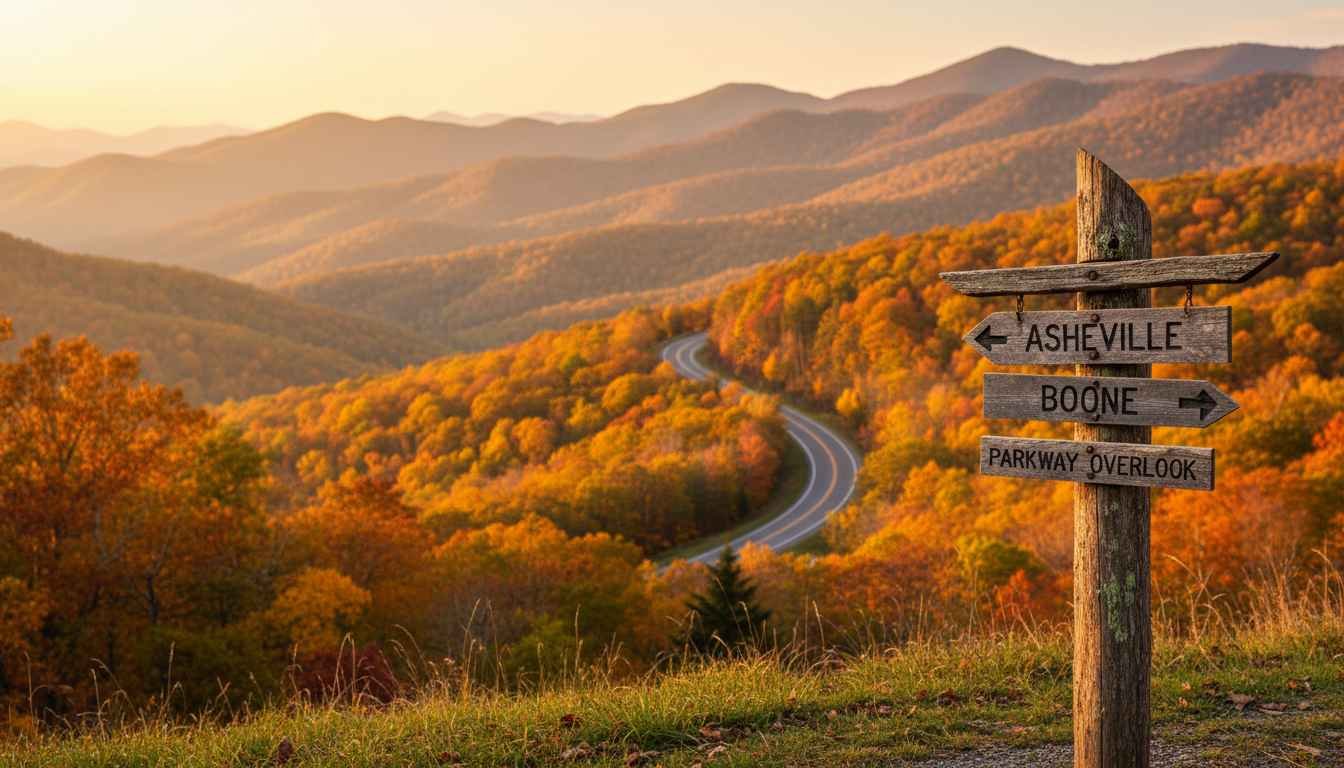
Start with the Blue Ridge Parkway, the 469-mile scenic drive that runs along the crest of the Blue Ridge Mountains. The North Carolina stretch is the most celebrated, with overlooks at Linn Cove Viaduct and Craggy Gardens, and trailheads leading to waterfalls such as Linville Falls. Drive it slowly, stop often, and allow a full day for the section around Asheville.
Asheville is the natural base for the mountains. It is a small, walkable city of craft breweries, farm-to-table restaurants and street art, with the Biltmore Estate just outside town. From here you can reach Great Smoky Mountains National Park, which straddles the border between North Carolina and Tennessee. Clingmans Dome — now officially known by its Cherokee name, Kuwohi — is the park’s highest point and a straightforward half-mile walk from the parking area to a 360-degree view.
On the coast, the Outer Banks offer more than a hundred miles of barrier-island beaches. Jockey’s Ridge State Park has the tallest living sand dune on the Atlantic coast, and the Wright Brothers National Memorial at Kitty Hawk marks the spot of the first powered flight. It is a quieter, wilder beach holiday than the resort towns further south.
Charlotte adds a city break to the mix, with the NASCAR Hall of Fame and the U.S. National Whitewater Center, where you can raft, kayak and zip-line on a man-made river. Further east, Wilmington pairs a historic riverfront downtown with Wrightsville Beach, a short drive away.
South Carolina: Charleston, Beaches and the Lowcountry
Charleston is the state’s star. Walk the cobblestone streets of the historic district, take a boat out to Fort Sumter — where the Civil War began — and spend an afternoon at one of the old plantations along the Ashley River, where the gardens are as much the attraction as the houses. Charleston’s food scene, built on Lowcountry cooking, is reason enough to stay an extra night.
For a classic beach holiday, Myrtle Beach has miles of sand, a boardwalk and family attractions, while Hilton Head Island is the quieter, greener alternative, with bike paths running through maritime forest and championship golf courses. If you want nature instead of resorts, Congaree National Park near Columbia protects one of the largest old-growth bottomland hardwood forests in the country, and its boardwalk loop is an easy, flat walk through towering trees.
Greenville, in the foothills of the Blue Ridge, is worth a stop on the way between the mountains and the coast. Its downtown Falls Park, with a suspension bridge over the Reedy River falls, is one of the prettiest city parks in the South.
Combining Both States in One Trip
The easiest combined route runs from the mountains to the coast. Spend two or three days around Asheville and the Blue Ridge Parkway, drive south through Greenville, then finish with three or four days in Charleston or on the coast. Charlotte sits roughly halfway and makes a convenient overnight stop.
If you only have a long weekend, pick one side: the mountains around Asheville and the parkway, or Charleston with a day trip to a nearby beach. Trying to cover both in three days means most of your trip is spent driving.
When to Visit NC and SC
Spring and autumn are the best seasons for the mountains, with wildflowers in April and May and vivid foliage in October. The coast is at its best from late spring to early autumn, though summer brings heat, humidity and afternoon thunderstorms. For fall colour without the summer crowds, the best places to visit in the fall include the Blue Ridge high country, where the leaves turn earlier than in the lowlands.
FAQ
- How many days do you need for NC and SC?
Five to seven days covers the highlights of one state comfortably. A proper two-state trip needs ten days or more, with at least three in the mountains and three on the coast.
- Is the Great Smoky Mountains National Park in both states?
No. The park straddles the border between North Carolina and Tennessee, not South Carolina. The closest South Carolina mountain scenery is around the places to visit in the South Carolina mountains, such as Table Rock and Caesars Head.
- Which is better for families, the mountains or the coast?
Both work well. The coast suits younger children with its beaches and resorts, while older children tend to enjoy the hiking, rafting and whitewater activities in the mountains.
Final Thoughts
North Carolina and South Carolina reward travellers who take their time. Pick a mountain base, pick a coastal base, and leave a day unplanned in each — the best moments in the Carolinas tend to be the ones you stumble on, whether that is a waterfall trail, a small-town farmers’ market or a quiet stretch of beach at sunset.