
“What places do you want to visit?” is a simple question with no single right answer. The destinations that thrill one traveller bore another, and the trip of a lifetime for a food lover looks nothing like the trip of a lifetime for a hiker. The trick is to start with yourself — your interests, your energy, your budget — and let the places follow.
This guide helps you answer the question properly, with real destinations matched to real travel styles, and a practical way to turn a wish list into a trip.
Start with how you like to travel
Before you pick a place, work out what kind of trip you actually enjoy. Do you recharge in busy cities or in quiet countryside? Do you want a packed schedule or long, slow days? Do you travel to eat, to photograph, to hike, to learn, or simply to rest?
Be honest about your pace. Some travellers thrive on five cities in a week; others are happiest in one village for a fortnight. Neither is wrong, but a trip built for the wrong pace will feel exhausting or boring no matter how beautiful the destination. Write down three things you want from your next trip — then judge every destination against them.
City breaks: culture, food and energy
If you love cities, start with the classics. Paris offers art, food and streets that reward aimless walking; Tokyo pairs ancient temples with some of the world’s best food and most efficient transport; Rome layers two thousand years of history into a single walkable centre; Kyoto trades Tokyo’s energy for temples, gardens and a slower rhythm.
City breaks suit short trips — three to five days is enough for one city done well — and they are the easiest trips to plan, with frequent flights, good public transport and plenty of accommodation at every price. They are also the best choice if you travel mainly to eat, shop and see museums and galleries.
Natural wonders and scenic escapes
If nature is what you travel for, the world’s great landscapes deliver a different kind of awe. The Grand Canyon in the United States, the Great Barrier Reef in Australia, the fjords of Norway and the volcanoes and cloud forests of Costa Rica are all places that change how you see the world — and they reward travellers who plan around seasons and weather.
For a tropical island escape, consider Sri Lanka, where ancient sites, tea country and beaches sit within a few hours of each other — our guide to the top places to visit in Sri Lanka shows how to combine them into one trip. For a wider regional overview, our guide to the top places to visit in Central America covers volcanoes, ruins and reefs across seven countries.
Natural destinations need more planning than cities: check the best season, book guides and permits early, and allow extra days for weather. The payoff is a trip that feels genuinely different from everyday life.
Culture and history: walking through the past
Some places are worth visiting because of what happened there. Egypt’s pyramids and temples, Greece’s ancient ruins, India’s palaces and temples, and the Mayan cities of Central America all reward travellers who take time to understand what they are looking at — a good guide or a little reading beforehand transforms a pile of stones into a story.
History trips suit travellers who like to learn as they go. Plan for a slower pace than a city break: ancient sites are often spread out, the heat can be intense, and the best experiences — a sunrise at a temple, an evening in an old town — cannot be rushed.
Food, adventure and slow travel
Food is a reason to travel in itself. Italy, Japan, Thailand, Mexico and Vietnam all offer cuisines that are worth a trip on their own, and the best food experiences are often the simplest — a market breakfast, a family-run restaurant, a cooking class in someone’s home.
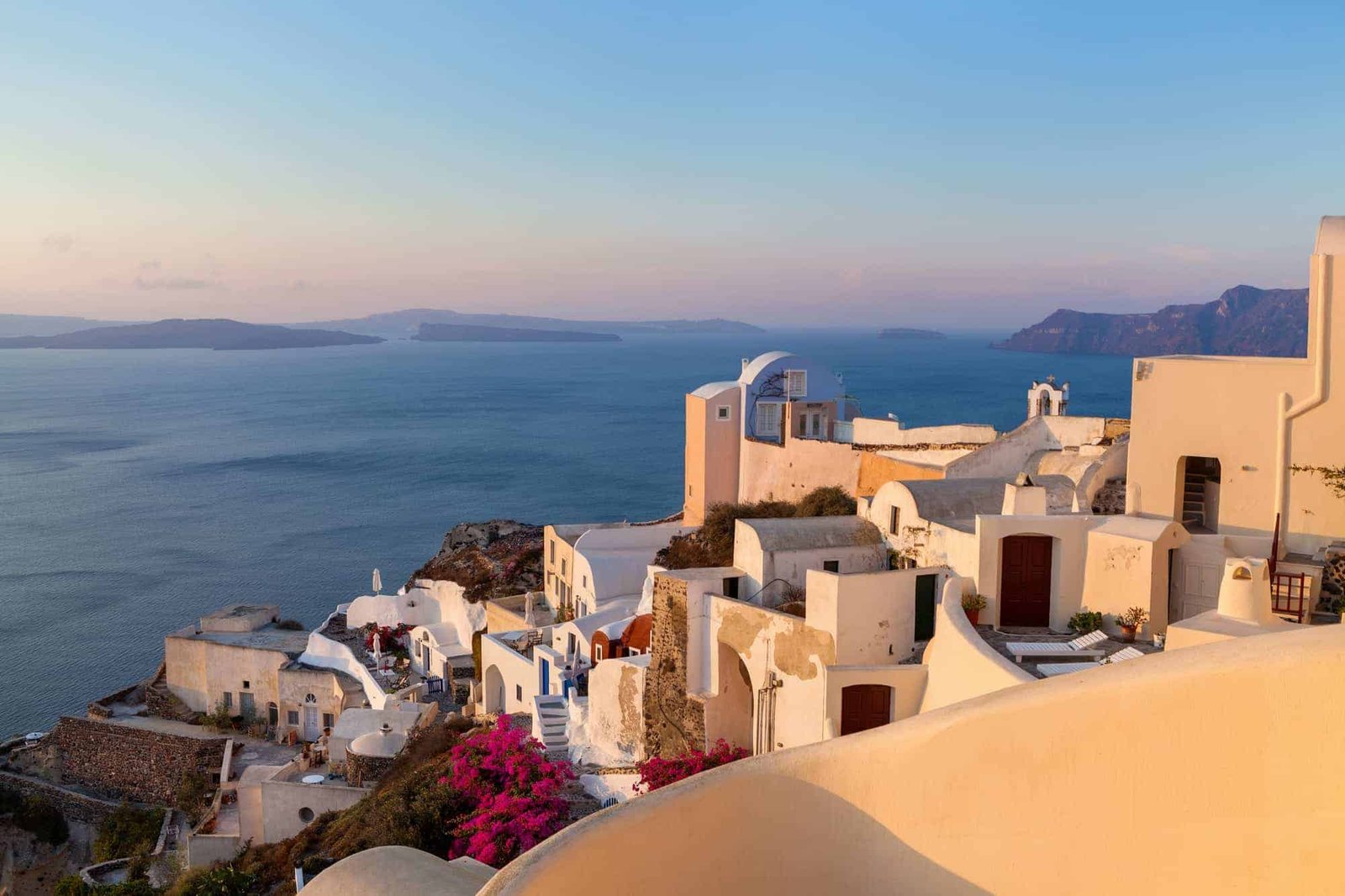
Adventure travellers should look to places built for it: New Zealand for hiking and water sports, Nepal for trekking, Costa Rica for surfing and wildlife, the Alps for skiing and climbing. And if what you really need is rest, consider slow travel — one base, long mornings, no itinerary — in a place like a Greek island, a Tuscan village or a Thai beach town.
Turning a wish list into a trip
Once you have a shortlist, check the practicalities: the best season to go, the cost of flights and accommodation, visa requirements, and how much time you actually have. A destination that is perfect in theory but unaffordable or badly timed will only frustrate you.
Book the big things first — flights and accommodation — then fill in the details. Leave at least one day unplanned in every trip: the best travel memories are usually the unplanned ones, a market you stumbled into or a cafe you found by accident. And keep a running list for next time — the question “what places do you want to visit” never really gets a final answer, and that is half the fun.
FAQ: Choosing where to travel
- How do I choose where to travel next?
Start with how you like to travel — cities or nature, fast or slow, food or adventure — then shortlist destinations that fit, and check season, cost and time before you decide.
- What are the best places to visit for first-time travellers?
Easy, well-connected destinations suit first trips: Paris, Rome, Tokyo, London and Barcelona for cities; Costa Rica, Thailand and Portugal for a first taste of nature and culture abroad.
- What places are best for families?
Look for destinations with short travel times, family-friendly accommodation and a mix of activities: beach resorts, national parks with easy trails, and cities with parks, museums and zoos.
- How do I travel on a budget?
Travel in the shoulder season, stay in smaller towns rather than capitals, eat where locals eat, and use public transport. The destination matters less than the timing and the choices you make once you are there.
Final Thoughts
There is no universal list of places you should want to visit — only the places that fit the way you travel. Start with your interests, be honest about your pace and budget, and pick the destination that answers what you actually want from the trip. The right place is the one you will still be thinking about long after you come home.