The world of Korean fashion has captivated the global audience for years with its ability to blend traditional aesthetics with modern trends. From the vibrant streets of Seoul to the runways of international fashion shows, Korean formal fashion has become a symbol of elegance, sophistication, and cutting-edge style. Whether you’re attending a high-profile business event or a formal gathering, mastering the art of Korean formal fashion is a must. This article dives deep into the elements of Korean formal wear, offering insights into its nuances, trends, and how you can incorporate this stylish approach into your wardrobe.
The Rise of Korean Formal Fashion
The journey of Korean formal fashion is a testament to the country’s rise as a global fashion hub. While K-pop and K-dramas have undoubtedly played a major role in pushing Korean culture into the international spotlight, its fashion scene has been evolving in tandem. Korea’s impeccable sense of style – ranging from traditional hanbok to sleek modern suits – has captured the attention of fashion enthusiasts everywhere. This evolution has led to a more refined, versatile approach to formal wear, making it the ideal choice for both business and social events.
What makes Korean formal fashion stand out is its seamless integration of tradition and innovation. Designers have skillfully merged classic elements with contemporary silhouettes, creating timeless yet trendy outfits. The tailoring of Korean formal wear emphasizes clean lines and structured fits, often combined with luxurious fabrics and understated details. For anyone seeking to make a statement with their formal attire, the Korean formal fashion scene offers endless inspiration and a unique take on dressing for success.
The Core Elements of Korean Formal Fashion
At the heart of Korean formal fashion lies an impeccable focus on quality, fit, and refinement. Unlike some other fashion trends that may rely heavily on bold statements, Korean formal fashion emphasizes subtle elegance. Tailoring is key – well-fitted blazers, trousers, and dresses make up the foundation of most looks. Korean designers are known for their precise attention to detail, ensuring that each piece complements the wearer’s silhouette perfectly.
Fabric choice is another defining element. Korean formal fashion often incorporates luxurious materials like wool, silk, and cashmere, adding a layer of sophistication that is both tactile and visually appealing. The use of color is equally important. While muted tones like black, navy, and gray dominate, pops of jewel tones and pastels are often used to add depth and interest to the outfit. This combination of high-quality fabrics, tailored cuts, and thoughtfully chosen colors sets Korean formal fashion apart as a beacon of modern elegance.
Iconic Pieces in Korean Formal Wear
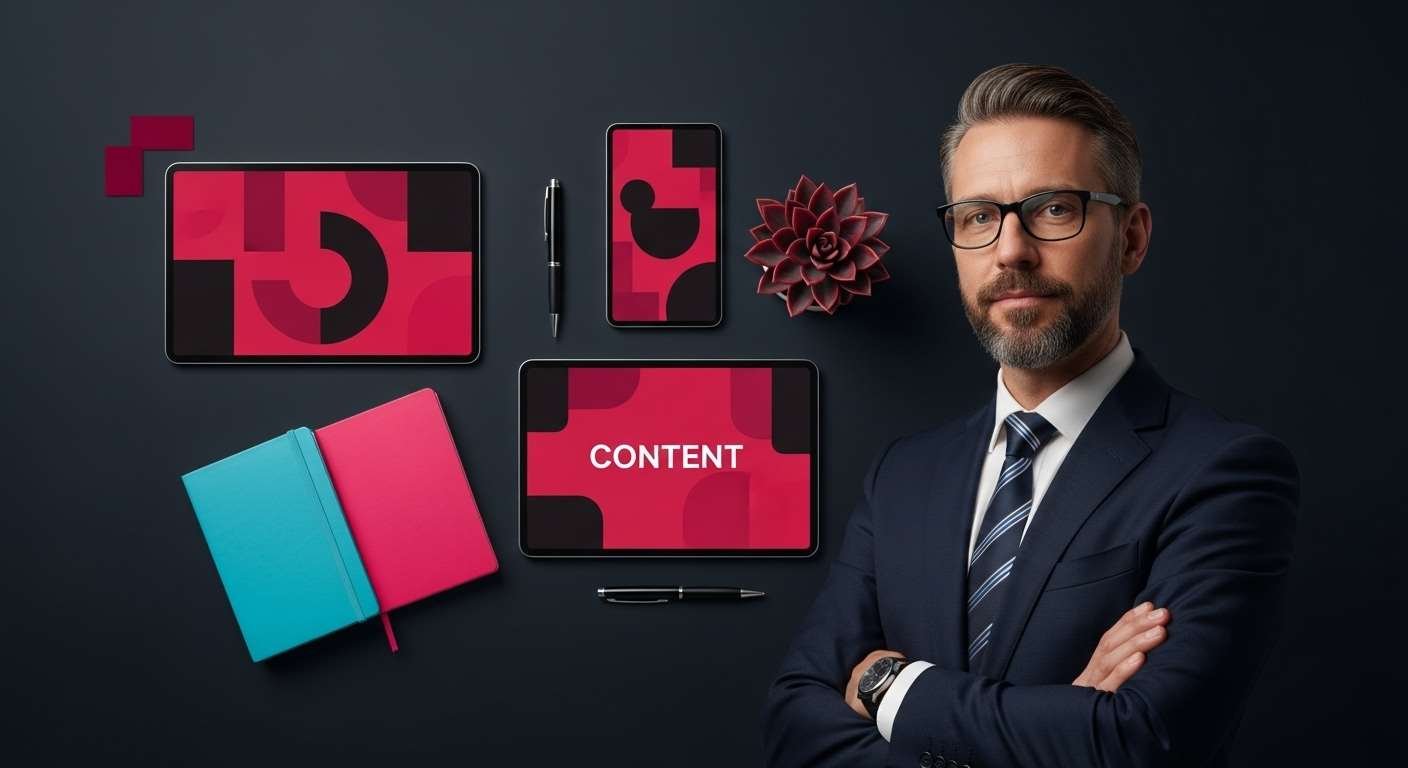
When you think of Korean formal fashion, several key pieces come to mind. The structured suit jacket is perhaps the most iconic garment in this genre, worn by both men and women in various styles. For women, the pencil skirt is a staple, often paired with a tailored blouse or chic blazer. For men, slim-fit trousers and double-breasted blazers are key components of a sharp, polished look. The key to pulling off these looks lies in the details – perfectly tailored hems, sharp lapels, and understated accessories make all the difference.
One notable element in Korean formal fashion is the use of accessories. Watches, cufflinks, and minimalist jewelry are often seen accentuating the outfit, but they are never overpowering. The accessory is meant to complement the overall look, not steal the show. Footwear is equally important, with sleek loafers or heeled boots often seen completing the ensemble. For women, high heels are common in formal settings, but in recent years, more comfortable yet stylish alternatives like ankle boots and pointed flats have been embraced.
The Influence of K-pop on Korean Formal Fashion
K-pop has had an undeniable influence on Korean formal fashion. With its global reach, K-pop idols have become the unofficial style icons for millions of people worldwide. Their impeccable fashion choices – whether on stage, in music videos, or during public appearances – often set trends that quickly become popular in mainstream fashion. Korean formal fashion, as seen through the eyes of K-pop stars, offers a glimpse into the way style is evolving in Korea, where there is a strong emphasis on individuality while still adhering to the country’s formal dress codes.
Idols are frequently seen wearing sleek, tailored suits for red carpet events, providing a model for how to wear formal attire with both poise and confidence. The K-pop industry’s influence extends beyond music, encouraging fans to adopt the stylish, polished aesthetic in their own lives. This global attention to K-pop stars has propelled Korean formal fashion to the forefront of modern, high-end style.
Key Trends in Korean Formal Fashion
As with any fashion genre, Korean formal fashion continues to evolve, embracing new trends while maintaining a commitment to timeless elegance. One of the most notable trends in recent years is the revival of oversized silhouettes. Loose-fitting blazers, trousers, and dresses have made a comeback, offering a more relaxed yet still sophisticated alternative to traditional fitted styles. The combination of a structured silhouette with a more relaxed fit creates a balanced look that is both modern and comfortable.
Another key trend is the emphasis on gender-neutral formal wear. Korean fashion has been at the forefront of embracing androgynous styles, with many designers offering unisex collections that can be worn by anyone, regardless of gender. This trend has opened up new avenues for personal expression and inclusivity in formal fashion, allowing individuals to experiment with shapes, cuts, and fits without the constraints of traditional gender norms.
How to Incorporate Korean Formal Fashion into Your Wardrobe
Incorporating Korean formal fashion into your wardrobe is easier than you might think. The first step is to invest in a few key pieces that form the foundation of any Korean-inspired formal look. A well-tailored blazer and trousers should be your go-to staples, paired with simple yet elegant accessories like a minimalist watch or a subtle necklace. The goal is to create a look that is both polished and effortless.
Next, focus on fit and fabric. Pay attention to how the clothes fit your body and ensure that you choose high-quality fabrics that will stand the test of time. Opt for neutral tones like navy, charcoal, or cream for maximum versatility, and don’t be afraid to experiment with textures such as wool blends or satin finishes. Finally, remember that less is more – Korean formal fashion thrives on simplicity, so avoid overloading your outfit with excessive embellishments or loud patterns.
Where to Shop for Korean Formal Fashion
If you’re looking to invest in authentic Korean formal fashion, there are plenty of online and physical stores that specialize in Korean styles. Many high-end Korean brands like Gentle Monster, Ader Error, and Thisisneverthat offer a range of formal wear options that combine sophistication with modern flair. For those on a budget, popular e-commerce platforms like YesStyle and Kooding provide access to a wide array of affordable yet stylish formal clothing options.
Shopping for Korean fashion online can be a bit overwhelming, but the key is to focus on quality and fit rather than trends. Look for pieces that offer versatility, comfort, and the kind of clean lines that are central to the Korean style aesthetic. Be sure to check the reviews and sizing guides before making a purchase, as fit is crucial to achieving the perfect Korean-inspired formal look.
The Future of Korean Formal Fashion
The future of Korean formal fashion looks bright, with exciting innovations on the horizon. As Korea continues to cement its status as a global fashion leader, it’s likely that the influence of Korean style will only continue to grow. Designers are embracing sustainable fashion, with many turning to eco-friendly materials and ethical production practices to create their collections. This shift toward sustainability will undoubtedly shape the future of Korean formal fashion, offering environmentally-conscious alternatives without sacrificing style or quality.
As global fashion trends continue to evolve, the elegant yet innovative approach of Korean formal fashion will remain at the forefront, inspiring both consumers and designers alike to embrace timeless elegance with a modern twist.