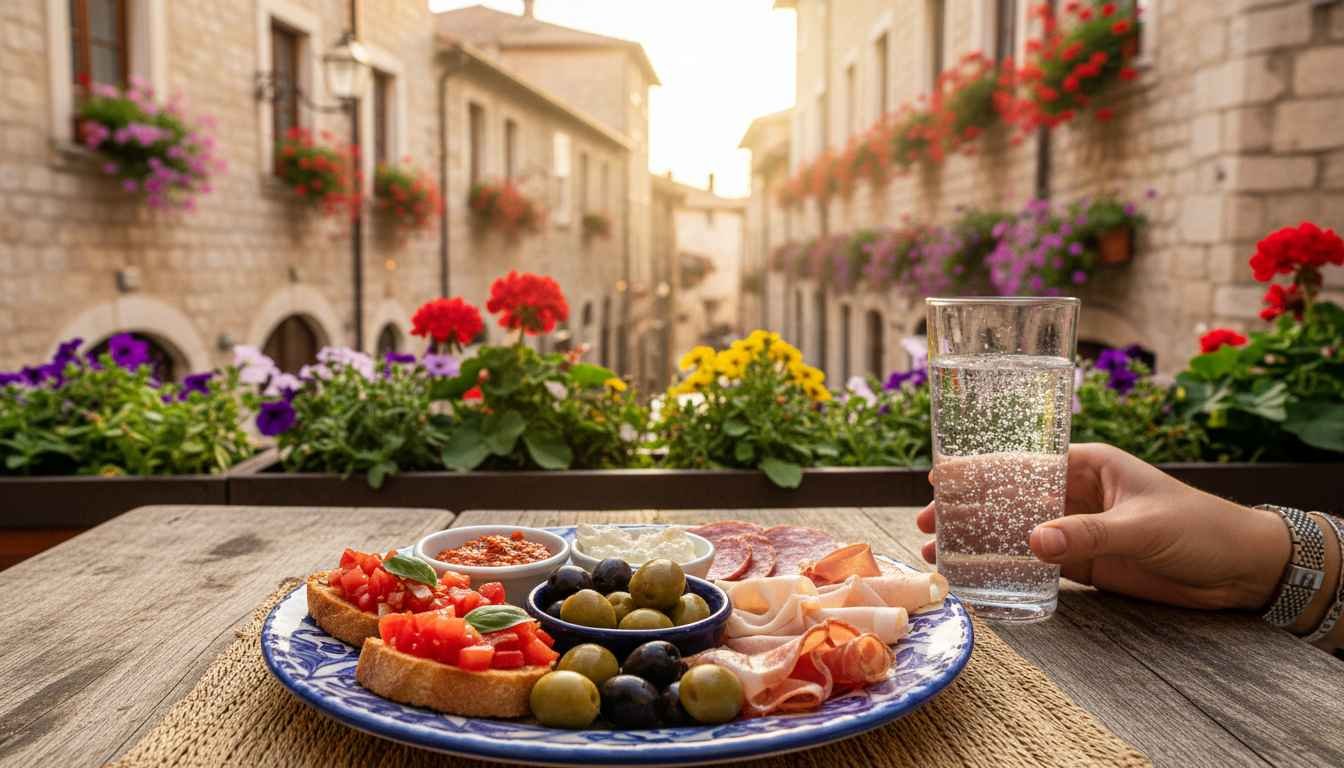
Picture yourself eating lunch in a sunlit square, the afternoon stretching ahead to a beach, a museum or a mountain trail — and realising that is simply what a European summer feels like. Europe in summer is not one holiday but many: Mediterranean beaches, grand cities, alpine lakes and Nordic fjords, all within a few hours of each other. The trick is matching the region to the trip you actually want.
The Mediterranean Coast
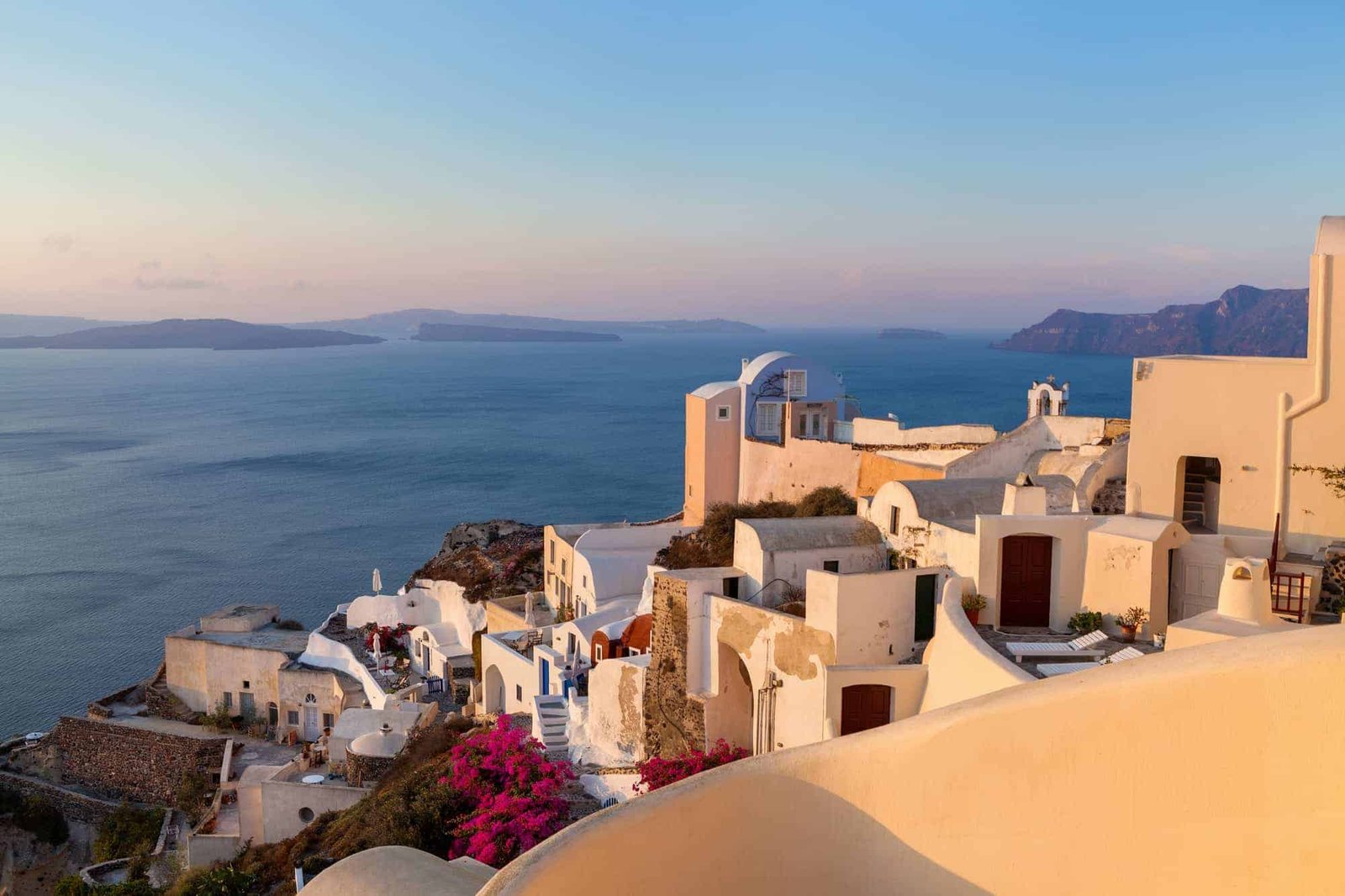
For sun-seekers, the Mediterranean is the obvious starting point. The Amalfi Coast and the islands of Greece pair warm water with villages that reward slow wandering, while Spain’s coastline mixes beaches with late dinners and lively promenades. Our guide to the best places to visit in Southern Italy is a good next stop if the Italian south appeals, and it covers Naples, Pompeii, the Amalfi Coast and Sicily in more detail.
Iconic Cities: Paris, Rome and Barcelona
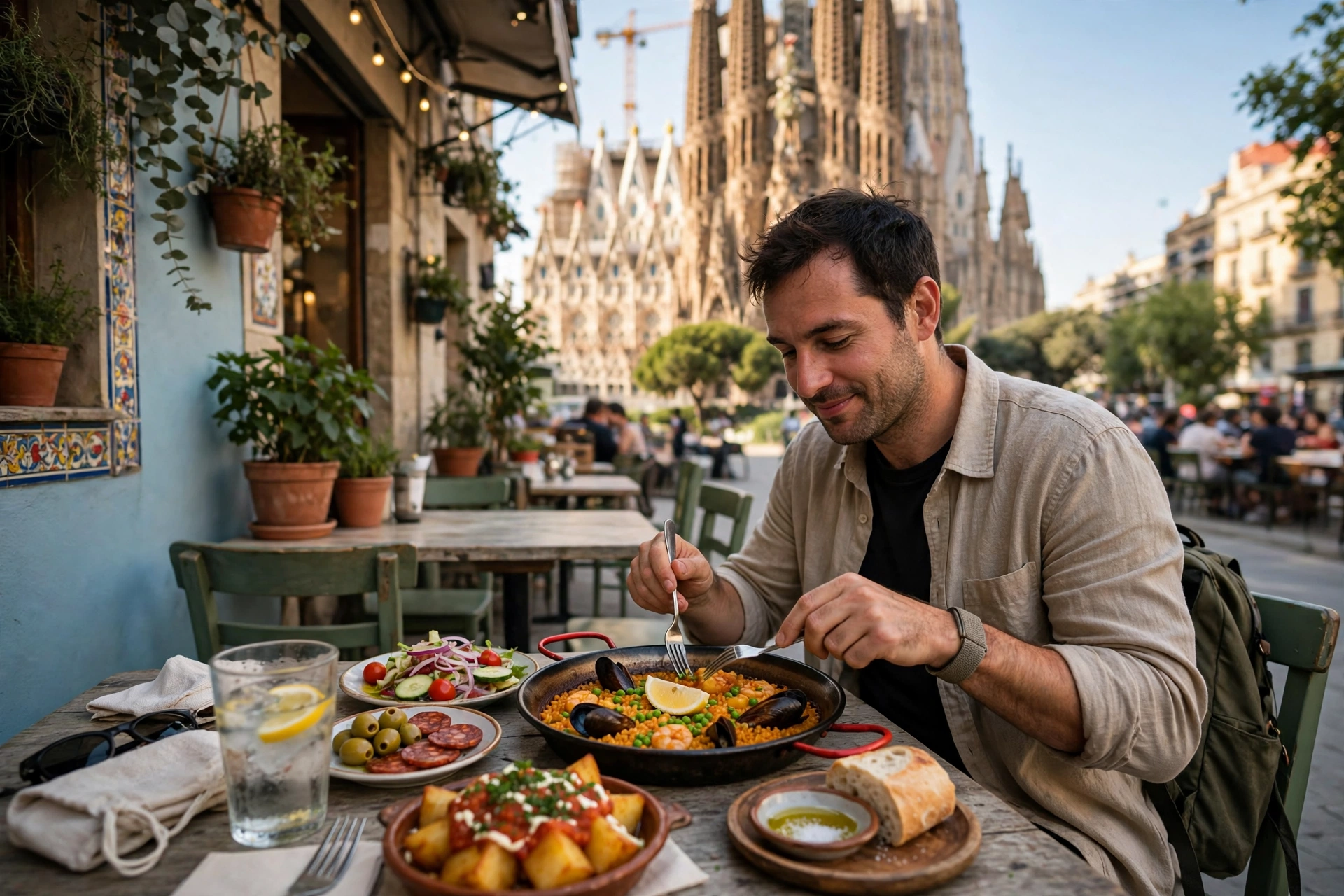
Summer suits Europe’s great cities if you plan around the heat. Paris offers museum mornings and long evenings along the Seine; Rome pairs ancient landmarks with gelato-fuelled wandering; and Barcelona blends Gaudi architecture with a proper city beach. In Barcelona, our top ten places to visit in Barcelona, Spain walks through Sagrada Familia, Park Guell, the Gothic Quarter and more, so you can build a day-by-day plan around the highlights.
The Alps and the Lakes
If you would rather hike than sunbathe, head for altitude. The Alps offer high trails, mountain villages and cooler air, while the lakes of Switzerland and Austria are made for swimming, cycling and slow lakeside days. Slovenia and Croatia add national parks, waterfalls and forested trails for travellers who want nature without the crowds of the biggest resorts.
The Greek Islands and the Adriatic
Island-hopping remains one of summer’s great pleasures. The Greek islands range from lively, well-known names to quieter islands where the pace is set by fishing boats and family tavernas — pick based on whether you want nightlife or solitude, and check ferry schedules before you commit to an ambitious route. Along the Adriatic, Croatia’s coastline pairs walled towns like Dubrovnik with island beaches and national parks, and the ferry network makes it easy to combine a city, an island and a park in a single week.
Eastern Europe: Budapest and Prague
For travellers who want grandeur without Mediterranean prices, Eastern Europe delivers. Budapest pairs thermal baths and Danube river views with grand architecture and a lively cafe culture, while Prague’s old town, castle district and riverside walks reward travellers who explore beyond the main square. Both cities are made for walking, both offer excellent food at gentler prices than the western capitals, and both are easy to reach by train from neighbouring countries if you are building a longer route.
Northern Europe: Fjords and Long Days
Northern Europe is summer’s best-kept secret. Norway’s fjords, Sweden’s islands and Denmark’s harbour cities all shine in the long daylight hours, with mild temperatures that make walking and cycling a pleasure rather than a chore. It is the right choice if you want scenery and culture without the Mediterranean heat, and the late sunsets give you hours of extra exploring time every day.
Planning Tips for a European Summer
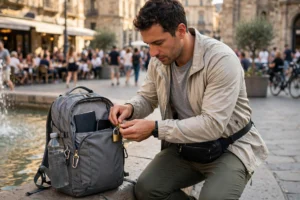
Book accommodation and popular attractions well in advance, since peak summer destinations fill quickly. Plan city sightseeing for the morning, keep afternoons for water or shade, and carry a refillable bottle — many European cities have public drinking fountains. Mix one headline destination with one quieter stop: a small town, a lake or a coastal village often becomes the part of the trip you remember best.
FAQ
What is the best place to visit in Europe in summer? It depends on your style: the Mediterranean for beaches, the Alps for hiking, the great cities for culture, and Scandinavia for fjords and long daylight hours.
Is Europe in summer good for families? Yes. Beaches, parks, museums with family programmes and easy train travel make most regions straightforward with children, especially if you build in downtime.
When is the best time to visit Europe in summer? Early and late summer tend to be slightly quieter than the peak weeks, with warm weather and long days throughout the season. Check local conditions for your chosen region before booking.
Final Thoughts
A European summer works best when you stop trying to see everything and start choosing well: one coast, one city, one mountain or fjord — done properly. Pick the version of summer that suits you, book the essentials early, and leave room for the unplanned afternoon that usually becomes the story you tell afterwards.