You step out of the station in a city you have never visited before, map in one hand and bag in the other, and within minutes someone is offering you help you did not ask for. That first hour in a new place is when you are most open to a scam, not because you are careless, but because everything is unfamiliar: the prices, the transport, the local customs and the language. This guide shows you how to avoid tourist scams in a new city, from the tricks to watch for to the habits that make you a harder target.
Why New Arrivals Are Easy Targets
Scams aimed at visitors usually rely on confusion, hurry and politeness, not force. A stranger creates a small moment of pressure — a free gift pressed into your hand, a taxi driver who says the meter is broken, a helpful person who insists your hotel is closed — and then asks for money while you are still working out what just happened. If you already know the normal price, the normal route and the normal way to buy a ticket, that pressure has much less room to work. Slow down any interaction that feels rushed or unusually generous, and check it before you hand over money or belongings.
Common Tourist Scams to Recognise
Scams vary by city, but the patterns below appear in many places. Learning the pattern matters more than memorising a list for one destination.
- The taxi without a meter. The driver refuses the meter, quotes a high flat fare or takes a long route. Agree the price or the meter before you set off.
- The unwanted gift. A bracelet, flower or souvenir is placed in your hand, then payment is demanded. Do not take what you did not ask for; if it is pressed on you, set it down and walk away.
- The closed attraction. A stranger near a popular sight says it is closed and offers a different shop or tour instead, often for a commission. Check opening times at the official entrance first.
- The petition or distraction. One person asks you to sign something while another works nearby. Keep your hands on your bag, step back, and do not sign anything you have not read.
- The padded bill. The bill shows a different price from the menu, or items you did not order. Ask for an itemised bill and query anything unfamiliar before you pay.
- The card trick. Your card is taken out of sight or used on a tampered machine. Keep your card in view where possible, and check your bank app soon after paying.
- The fake official. Someone claiming to be police asks to see your wallet or passport. Real checks are rarely made by a lone stranger on a busy street; offer to walk to the nearest police station or hotel reception instead, and do not hand over original documents on the spot.
Before You Arrive: Five Checks That Prevent Most Problems
Look up the normal price of a taxi or airport transfer, a typical meal and a standard attraction ticket. Download the official transport app or map for the city, and save your hotel address in the local language as well as in English, so you can show a driver exactly where you are going. Check your government’s official travel advice, note the local emergency number and your bank’s lost-card number, and set up transaction alerts so an unexpected charge is visible quickly. Finally, book your first night and your arrival transfer through a reputable provider where you can, so you are not negotiating with strangers while tired after a long journey.
On the Street: How to Say No Without a Confrontation
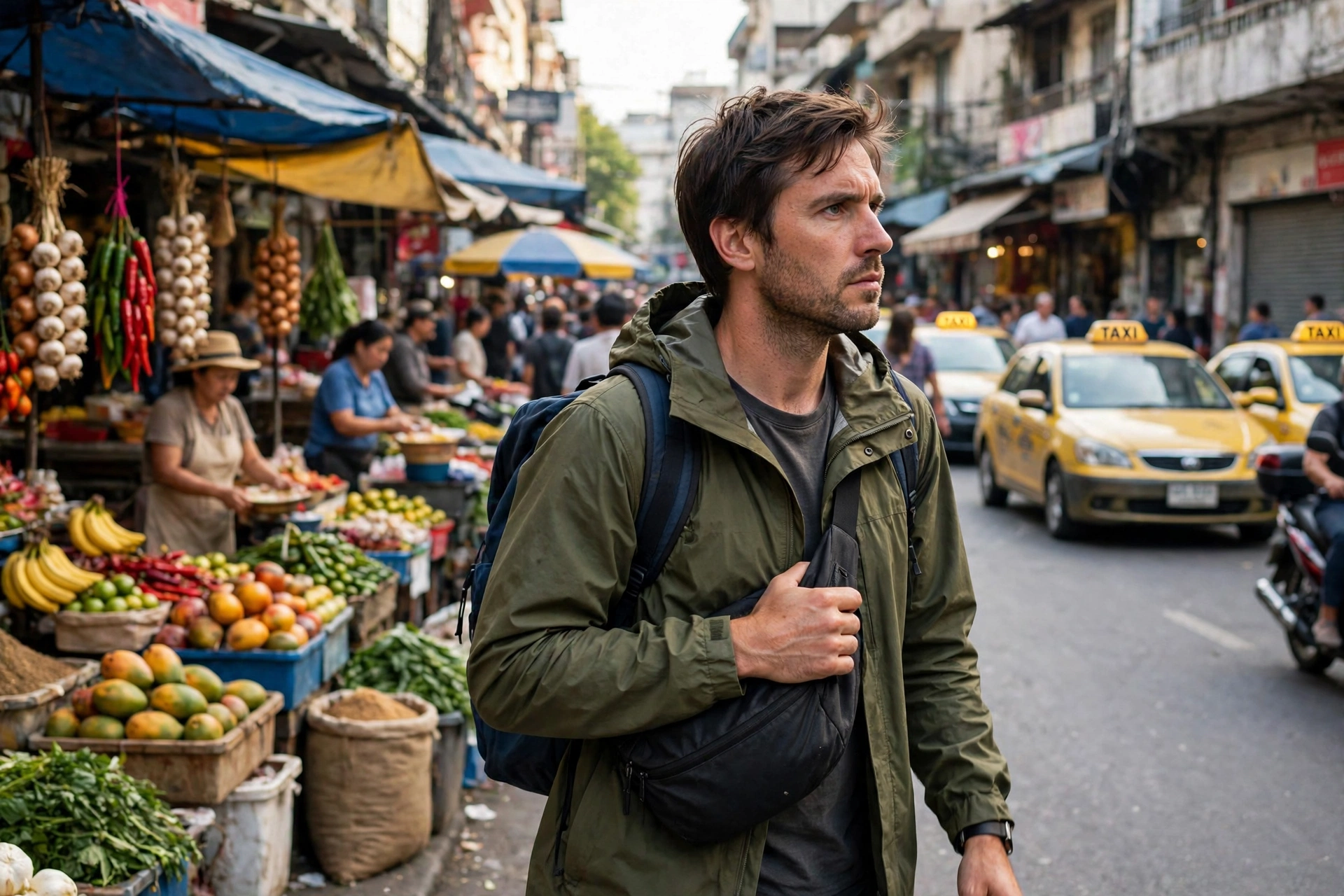
Most street scams need your attention for a few seconds. A firm, polite “No, thank you” while you keep walking usually ends them. You do not owe a stranger a reason, and a long conversation is exactly what a distraction scam needs. If someone follows you or becomes pushy, step into a shop, café or hotel lobby, where staff can confirm directions or prices. Never follow a stranger down a quiet side street for a “better deal”: a genuine recommendation does not need to pull you away from the main route. Be extra careful where tourists naturally pause — station exits, taxi ranks and busy markets.
Paying Safely in a New City
Carry a small amount of local cash for markets, small cafés and transport, plus one main card, and keep a backup card or small emergency amount separate from your main wallet, so losing one does not leave you with nothing. Confirm the total before you pay and count your change before leaving the counter. Use ATMs inside banks or well-lit, staffed locations where possible, shield the keypad, and be wary of a loose card slot or a keypad that feels unusually thick. Never share your PIN or a one-time code with someone who approaches you: no genuine bank, hotel or police officer needs your PIN to help you on the street.
Transport, Tours and Accommodation
Prefer a metered taxi from an official rank or reputable ride-hailing app, a hotel-arranged car, or public transport with a ticket from an official machine or counter. If a driver insists the meter is broken, choose another cab, and check the route and fare in the app before confirming a ride-hailing trip. Buy tours and tickets from the official venue, your hotel desk or a well-reviewed operator, rather than from someone touting outside the entrance. Confirm accommodation prices including taxes and fees before booking.
What to Carry, and What to Leave Behind
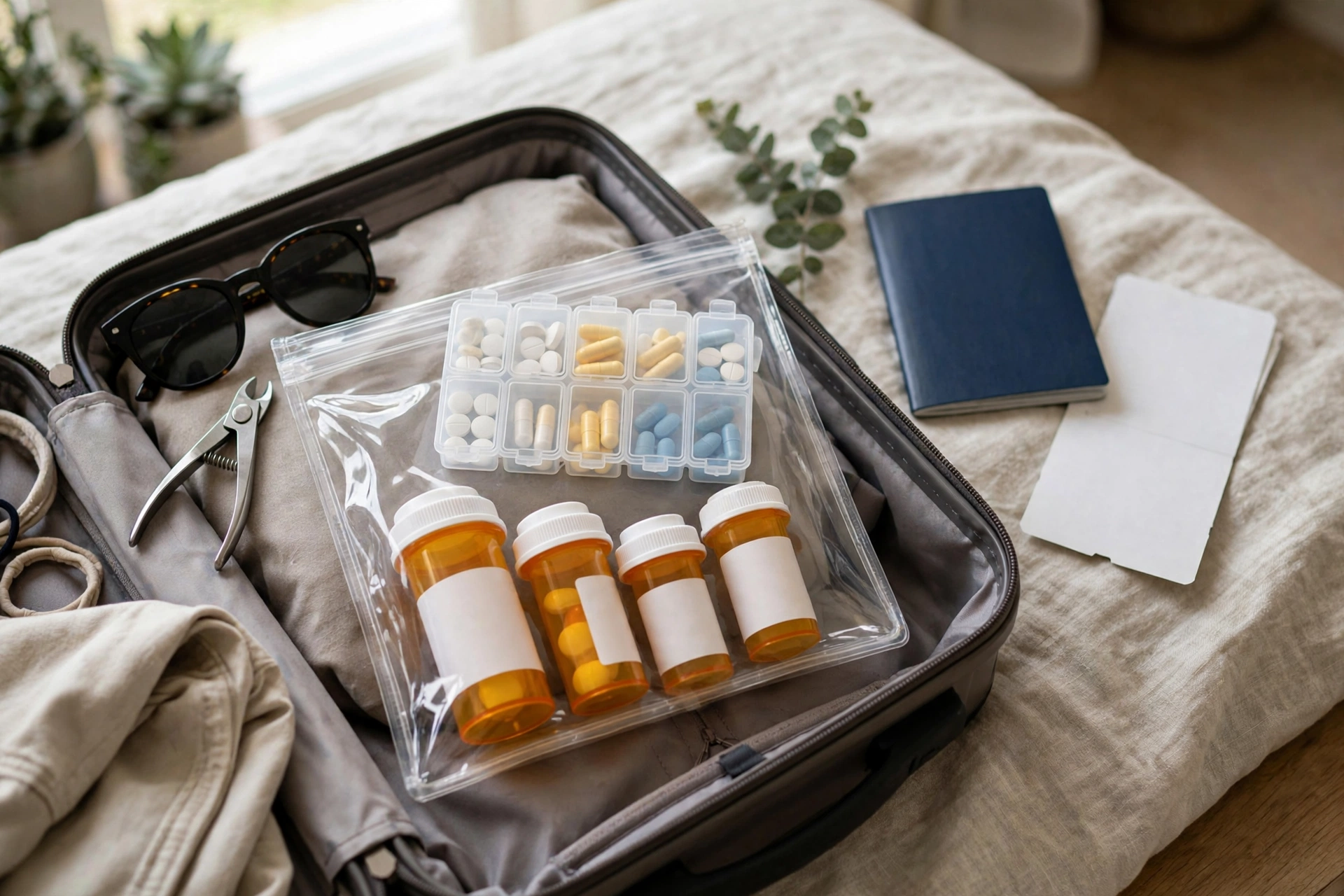
Keep your passport, cards and phone in a front pocket, a zipped inner pocket or a small bag you keep in front of you, rather than in a back pocket or an open tote. Leave original documents you do not need that day locked in your accommodation where a safe is available, and carry a photo or copy instead. The same principle applies when you pack: how to pack a carry-on for a week-long trip puts valuables, documents and medicines in your personal item, so they stay with you even if a larger bag is checked. Avoid wearing expensive jewellery or carrying a large amount of cash.
If You Think You Have Been Scammed
Stop the loss first. If a card was used, contact your bank at once to block the card or dispute the charge, and keep receipts, screenshots and messages as evidence. If cash was taken, note the time, place and what happened while it is fresh, and ask your hotel reception for advice on the nearest police station. Do not chase anyone who took your money or argue in an isolated place. If a document was lost or stolen, contact your embassy or consulate about a replacement.
Frequently Asked Questions
Is it rude to refuse help from a stranger abroad? No. A brief, polite refusal is normal in most places, and genuine helpers accept it without pressure. Someone who becomes angry or follows you after a clear refusal is telling you something about their intentions.
Should I avoid talking to locals altogether? No. Talk to shopkeepers, hotel staff and guides in normal, public settings, and be cautious only about rushed, private or money-linked approaches.
Are card payments safer than cash in a new city? Usually, because a card payment leaves a record and can often be disputed, while cash is hard to recover. A mix works best: a card for most purchases, a small amount of cash where cards are not taken, and a backup kept separate.
What if I already paid too much for a taxi or tour? Note the details and use a metered taxi or official booking next time. If the amount is large or a card was misused, report it to your bank and, where appropriate, to the police.
Final Thoughts
Avoiding tourist scams in a new city comes down to a few steady habits: know the normal price before you arrive, keep your belongings close, refuse rushed offers politely, check every bill, and use official transport and tickets wherever you can. These habits do not require suspicion of everyone you meet. They simply give you time to think, and time to think is what most scams try to take away.