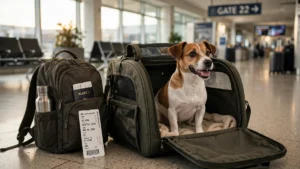
You land, check the departure board, and the number staring back at you is eight hours — or ten, or twelve. Your connecting flight is a lifetime away, your phone battery is already half gone, and the terminal stretches in every direction with nothing but departure gates and overpriced coffee. A layover longer than eight hours can feel like a sentence, but it does not have to be one. With a little planning, those hours can become a proper rest or a free mini-trip into a new city.

First, Sort Out the Practical Questions
Before you decide anything, answer three questions. First, is your luggage checked through to your final destination, or do you need to collect it and check it in again? On one ticket with the same airline or partners, bags usually go straight through — but confirm it at the transfer desk, because collecting bags changes your whole plan. Second, do you need a visa or transit permit to leave the airport? Rules differ by country and nationality. Check with your airline or the country’s official immigration page before you travel. Third, what time does your next flight actually board? Work backwards from boarding time, not departure time, and keep at least two hours for getting back through security.
Stay in the Airport or Leave It?
This is the big decision, and it comes down to simple maths. On an eight-hour layover, you realistically have about four usable hours outside the airport once you allow for immigration, transport into the city, and the return journey with its security queue. Where the airport is close to the centre and trains run every few minutes, four hours is enough for a proper wander, a meal, and a landmark or two. If the airport is an hour from the city, or the connection involves slow buses and long queues, those four hours shrink to two — and staying put becomes the better call.
Also consider the time of day and the weather. A daytime layover in a city with good public transport is made for exploring; a layover from midnight to 8 a.m. is not, since most attractions are closed and transport is sparse. If it is pouring rain or bitterly cold, a comfortable airport lounge beats a rushed, wet walk through an unfamiliar city.
If You Stay: How to Be Comfortable for Eight Hours
Start by finding your base. Most large airports have quieter gates at the far ends of terminals, rest zones with reclining chairs, and in many cases pay-per-use lounges or sleep pods. A lounge day pass is often the best money you will spend on a long layover: comfortable seating, food and drinks, showers, Wi-Fi, and a place to charge your devices. Prices vary widely, so check the lounge’s own website before you buy — and check whether your credit card or frequent-flyer status already includes access.
If sleep is the priority, look for the airport’s designated rest areas or book a sleep pod or transit hotel room inside the terminal where available. These are usually charged by the hour and are far more restful than a row of departure-lounge seats. Bring earplugs and an eye mask if you have them. Set two alarms for your onward flight and keep your passport, boarding pass, and valuables on your person while you sleep.
Use the middle hours well. Eat a real meal instead of snacking all day — your body will thank you on the next flight. Take a proper walk around the terminal every hour or so; sitting still for eight hours leaves you stiff and sluggish. If you need to work, find a spot near a power outlet. If you would rather switch off, download films or podcasts before you travel, since airport Wi-Fi can be slow when thousands of passengers share it.
If You Leave: Plan a Mini City Visit
Leaving the airport turns a layover into a bonus trip, but only if you plan it tightly. Before you exit, store your cabin bag if you can — many large airports have left-luggage services, and walking around a city with a rolling suitcase is no fun. Then pick one area, not a whole city: a single neighbourhood near a direct train or metro line, with one or two things to do there — a market, a park, a famous street, a proper local meal. Trying to see five sights in four hours is how people miss their flights.
Transport is the part people underestimate most. Work out the exact route before you leave the terminal, including how to buy a ticket and how often trains run. Aim to be back at the airport at least two hours before boarding, and add extra time at rush hour. Keep your boarding pass and passport in an inside pocket, and save the airport’s address and your flight details on your phone in case you lose signal.
Pack a Small Layover Kit
The difference between a comfortable layover and a miserable one is often what is in your personal item. Pack a small kit you can reach without opening your main bag: a toothbrush and toothpaste, deodorant, a change of underwear and socks, a phone charger, headphones, earplugs, an eye mask, snacks, a refillable water bottle, and any medication you need. A light layer or scarf helps too, because airports are often cold overnight. If you pack your carry-on well from the start, this kit is already half assembled — knowing how to pack a carry-on for a week-long trip makes long layovers far easier.
Overnight Layovers Need a Different Plan
If your layover runs overnight, check first whether your airline offers a free or discounted hotel — some airlines do this for long connections, and it is worth asking at the transfer desk. If you are booking yourself, choose a hotel close to the airport or on a direct transit line, and confirm the check-in time: a hotel that only allows check-in after 3 p.m. is no use for a 10 a.m. arrival. Choosing a hotel near public transport matters even more on an overnight layover, because a short, simple journey back to the terminal in the morning is worth more than a slightly cheaper room across town. Set an alarm that leaves time for checkout, transport, and security.
Money, Food, and Staying Safe
A few small habits make a long layover smoother. Carry a payment card that works internationally and a small amount of local currency if you plan to leave the airport — some taxis and market stalls still do not take cards. Drink water regularly; cabin air and airport air-conditioning dry you out, and dehydration makes jet lag worse. Stay alert as you would in any busy public place: keep your bag in front of you, do not leave devices unattended at charging stations, and be wary of strangers offering unsolicited help with bags or currency exchange.
FAQ
Can I leave the airport during a layover longer than 8 hours?
Usually yes, if you have enough time and the right documents. You need a visa or transit permit if the country requires one for your nationality, and you should have at least four usable hours outside the airport after allowing for immigration, transport, and the return through security. Check entry rules with the airline or the country’s official immigration site before your trip.
Is 8 hours enough to sleep at the airport?
Yes, if you plan for it. Many large airports have rest zones, sleep pods, or transit hotels inside the terminal, and lounge day passes often include showers and quiet seating. Bring earplugs and an eye mask and set two alarms.
What should I do if my layover is overnight?
Ask your airline whether it provides a hotel for long connections. If not, book a room near the airport or on a direct transit line, confirm the check-in time, and set an alarm that leaves plenty of time for the morning journey back and security.
Final Thoughts
An eight-hour layover is long enough to be uncomfortable and long enough to be useful — which one it becomes is mostly a decision you make before you travel. Sort out your bags, your documents, and your timings first. Then choose honestly between a comfortable airport base and a short trip into the city, and commit to one plan instead of drifting between the two.